
Published on December 8, 2025
How to Become a Mobile App Tester: A Complete Beginner's Guide
Mobile app testing has emerged as one of the most accessible entry points into the tech industry. Whether you're looking for a side income or planning to launch a career in quality assurance, this comprehensive guide will walk you through everything you need to know to become a successful mobile app tester.
Understanding Mobile App Testing
Mobile app testing is the process of evaluating applications designed for smartphones and tablets to ensure they function correctly, provide a good user experience, and meet quality standards before release to the public. As a tester, you'll be the first line of defense against bugs, crashes, and usability issues that could frustrate users.
The role involves more than just tapping buttons randomly. Professional testers follow systematic approaches to uncover issues that developers might miss. You'll need to think like both a typical user and a critical analyst, exploring edge cases and unusual scenarios that could break the app.
The demand for mobile app testers continues to grow as businesses recognize the importance of delivering flawless mobile experiences. With billions of smartphone users worldwide and new apps launching daily, companies need reliable testers to maintain their reputation and user satisfaction.
What makes this field particularly attractive is its low barrier to entry. Unlike many tech careers that require extensive coding knowledge or formal degrees, mobile app testing welcomes beginners who demonstrate attention to detail, good communication skills, and a methodical approach to problem-solving.
Essential Tools and Platforms for Mobile App Testers
To succeed as a mobile app tester, you'll need to familiarize yourself with various tools and platforms. The good news is that many of these are free or offer trial versions, making it easy to get started without significant investment.
First and foremost, you'll need access to mobile devices. While having multiple devices is ideal, you can start with just one smartphone. iOS and Android are the two major platforms, and many testing opportunities focus on one or both. Consider starting with the platform you're most familiar with, then expanding your capabilities as you gain experience.
Screen recording software is essential for documenting bugs and creating detailed reports. Tools like AZ Screen Recorder for Android or the built-in screen recording feature on iOS allow you to capture exactly what happens when a bug occurs. This visual evidence is invaluable for developers trying to reproduce and fix issues.
Bug tracking platforms like JIRA, Bugzilla, or Trello are commonly used in professional testing environments. While you might not need to master these immediately, understanding how to log issues systematically will set you apart from casual testers. Many platforms offer free accounts for learning purposes.
Top Testing Platforms to Join
Several reputable platforms connect testers with companies seeking quality assurance services. These platforms vary in their requirements, payment structures, and types of testing opportunities available.
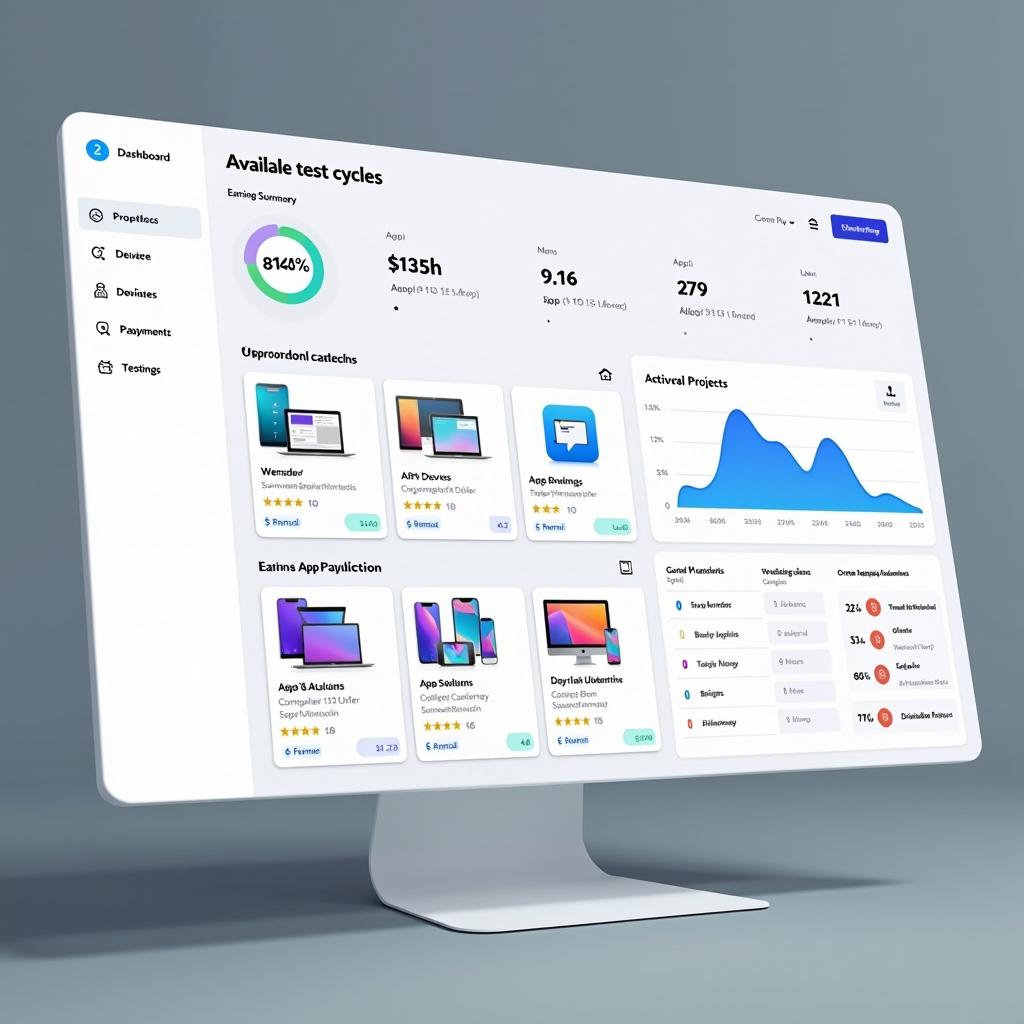
UserTesting is one of the most popular platforms for beginners. It pays testers to record themselves using apps and websites while thinking aloud about their experience. Tests typically take 15-20 minutes and pay around $10 per test. The platform values authentic feedback and doesn't require technical expertise, making it perfect for newcomers.
Testbirds offers a more structured approach with specific test cases to follow. Testers receive detailed instructions about what to test and how to report findings. Payment varies based on the complexity of tests and the number of bugs found. The platform operates globally and supports multiple languages.
uTest (now Applause) is a comprehensive platform that offers various testing opportunities, from functional testing to localization checks. It has a large community of testers and provides training resources to help you improve your skills. The platform uses a rating system, so building a good reputation leads to more lucrative opportunities.
Testlio focuses on managed testing services and often seeks testers with specific device configurations or language skills. While it may have stricter requirements than other platforms, it typically offers higher pay rates and more consistent work for qualified testers.
Writing Effective Bug Reports
The ability to write clear, detailed bug reports is what separates professional testers from casual users who simply complain about problems. A well-written bug report helps developers understand, reproduce, and fix issues quickly.
Every bug report should include a descriptive title that summarizes the issue in one sentence. Instead of writing "App crashes," use something specific like "App crashes when uploading photos larger than 5MB on Android 12." This immediately tells developers what to look for.
The steps to reproduce section is crucial. List every action you took leading up to the bug, starting from launching the app. Be specific about what you tapped, what you entered, and in what order. Developers should be able to follow your steps exactly and see the same problem.
Include environmental details such as device model, operating system version, app version, and network conditions. A bug that appears on a Samsung Galaxy S21 running Android 13 might not occur on other devices, so this context is essential. Screenshots or screen recordings provide visual proof and help developers understand the issue faster.
Describe the expected behavior versus the actual behavior. What should have happened, and what actually happened instead? This helps developers understand whether the issue is a bug or a misunderstanding of how the feature should work. Finally, note the severity and frequency of the bug. Does it happen every time or only occasionally? Does it prevent core functionality or is it a minor cosmetic issue?
Understanding Different Testing Types
Mobile app testing encompasses several specialized areas, each focusing on different aspects of app quality. Understanding these types helps you identify which areas match your strengths and interests.
Functional testing verifies that all features work as intended. You'll test buttons, forms, navigation, and core functionality to ensure everything operates correctly. This is the most common type of testing and forms the foundation of quality assurance. Functional testers follow test cases that outline specific scenarios to verify, checking that inputs produce expected outputs.
Usability testing focuses on the user experience rather than technical functionality. You'll evaluate whether the app is intuitive, easy to navigate, and pleasant to use. This type of testing values subjective feedback about design choices, layout, and overall user satisfaction. Companies use usability testing to understand how real users interact with their apps and identify areas of confusion or frustration.
Compatibility testing ensures apps work correctly across different devices, operating systems, and screen sizes. With thousands of Android device models and multiple iOS versions in use, compatibility issues are common. Testers check that apps display properly on various screen resolutions, respond correctly to different hardware capabilities, and function across OS versions.
Performance testing examines how apps behave under various conditions. This includes testing battery consumption, memory usage, load times, and behavior under poor network conditions. Performance testers might deliberately use apps on slow connections or with limited device resources to identify optimization opportunities.
Security testing looks for vulnerabilities that could compromise user data or app integrity. While this often requires more technical knowledge, basic security testing includes checking for secure data transmission, proper authentication, and protection of sensitive information. As data privacy becomes increasingly important, security testing skills are highly valued.
Tips for Landing Your First Testing Gig
Breaking into mobile app testing requires more than just signing up for platforms. These practical tips will help you stand out and secure your first paid testing opportunities.
Start by creating complete, professional profiles on testing platforms. Include details about your devices, technical skills, and any relevant experience. Even if you haven't done paid testing before, mention related skills like customer service, technical support, or attention to detail in other contexts. Upload a professional photo and write a clear bio that demonstrates your communication skills.
Take qualification tests seriously. Many platforms require you to pass screening tests before accessing paid opportunities. These tests evaluate your ability to follow instructions, identify issues, and write clear reports. Treat them like real assignments, taking your time to be thorough and professional. Your performance on these tests often determines your initial rating and access to opportunities.
Build your device portfolio strategically. While you can start with one device, having access to multiple devices and OS versions increases your opportunities. Consider borrowing devices from friends or family for specific tests, or focus on platforms that match your current device setup. Some testers invest in older devices specifically for compatibility testing, as these are often in high demand.
Engage with the testing community. Most platforms have forums, chat groups, or social media communities where testers share tips and experiences. Participating in these communities helps you learn faster, stay informed about new opportunities, and build relationships with experienced testers who can offer guidance.
Start small and build your reputation. Accept smaller, lower-paying tests initially to build your rating and portfolio. As you demonstrate reliability and quality work, you'll gain access to better-paying opportunities and invitations to exclusive test cycles. Consistency matters more than speed in the beginning.
Continuously improve your skills. Read articles about testing methodologies, watch tutorials about bug reporting, and study how professional QA testers approach their work. The more you understand about software development and testing principles, the more valuable you become to clients. Consider pursuing certifications like ISTQB Foundation Level if you want to advance into professional QA roles.
Conclusion
Becoming a mobile app tester offers a flexible, accessible path into the technology industry. Whether you're seeking supplemental income or building toward a career in quality assurance, the skills you develop through testing are valuable and transferable. The key to success lies in approaching testing professionally, continuously improving your skills, and building a reputation for thorough, reliable work.
Remember that every expert tester started as a beginner. Your first bug reports might feel awkward, and you might miss obvious issues initially. That's normal and expected. What matters is your willingness to learn, attention to detail, and commitment to helping create better mobile experiences for users worldwide.
The mobile app industry shows no signs of slowing down, which means the demand for skilled testers will continue to grow. By starting your testing journey today, you're positioning yourself in a field with genuine opportunities for growth, learning, and earning. Take that first step, sign up for a testing platform, and discover how rewarding it can be to shape the future of mobile applications.